Roof Inspections: What to Expect and Why They Matter
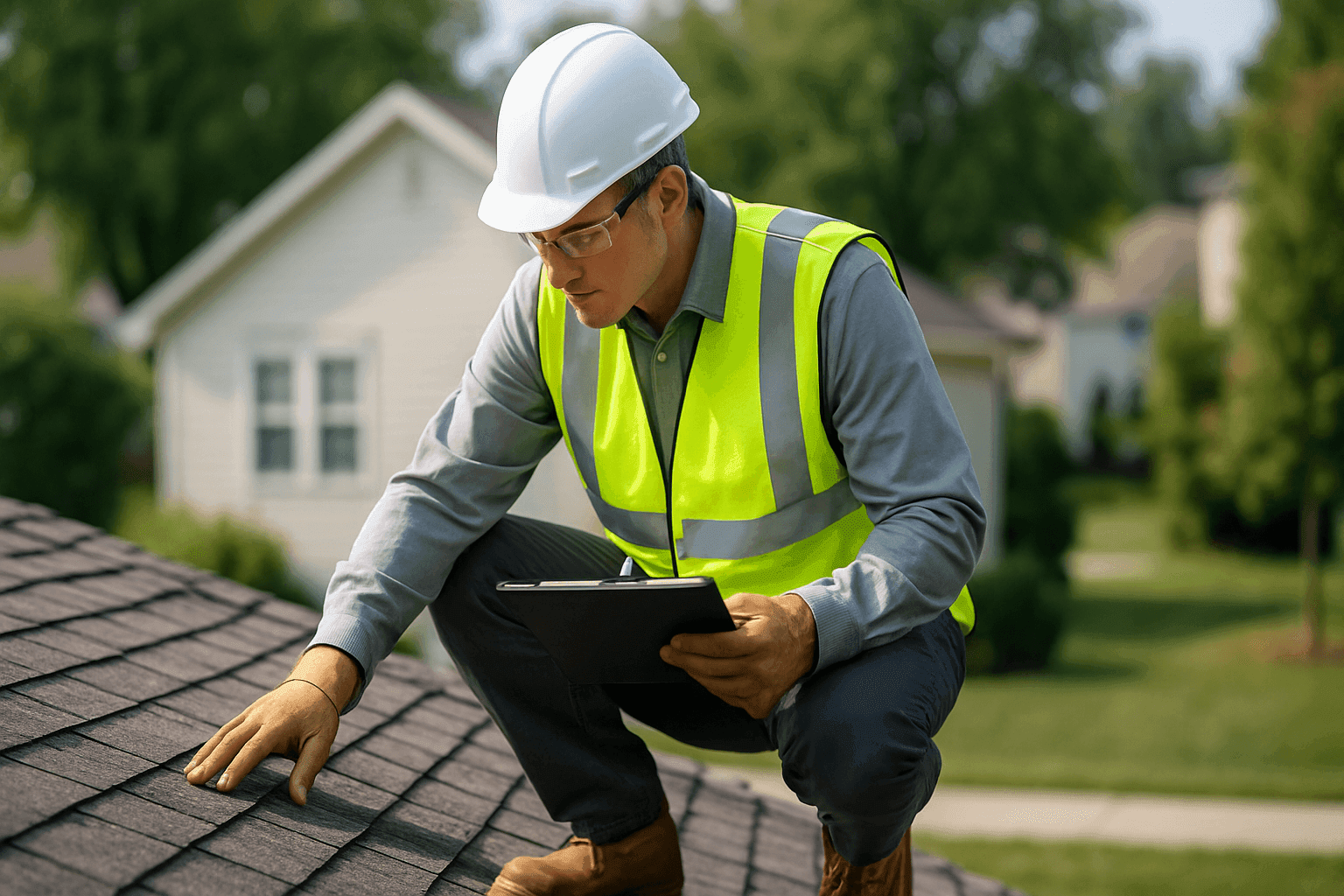
Your roof is like a shield, standing between your home or business and the wild moods of the weather. But even the best shield needs a regular checkup. That’s where a professional roof inspection comes in—spotting problems you can’t see from the ground.
Ignoring your roof is like ignoring a ticking sound under your car’s hood. Small issues grow quietly, then hit hard and suddenly. At Milano Roma Roofing, we help property owners stay a step ahead—with certified inspections designed for peace of mind.
Why Regular Roof Inspections Are Essential 🛡️
Roofs are silent workhorses. Day after day, they take the brunt of rain, wind, sun, and snow. Over time, even the strongest material shows its age. Cracked shingles, loose flashing, clogged gutters—they start small but can lead to leaks, mold, and expensive damage.
Regular inspections act like annual physicals for your property. They help you:
- Catch damage from storms or fallen branches early
- Prevent leaks before they ruin interiors
- Extend the life of your roof system
- Keep insurance valid by documenting maintenance
- Plan for repairs or upgrades before there’s a crisis
Both residential and commercial roofs benefit. In fact, the National Roofing Contractors Association (NRCA) recommends at least two inspections every year—spring and fall—and after any major weather event.
What Inspectors Look For
Trained eyes spot what most folks miss. During a professional roof inspection, specialists look for:
- Missing, cracked, or curling shingles (for shingle roofing)
- Worn or loose flashing around chimneys, skylights, and vents
- Signs of rust or corrosion on metal roofing and fasteners
- Soft or sagging decking underfoot
- Moss, algae, or signs of water pooling (especially on flat roofs)
- Clogged or misaligned gutters and downspouts
- Loose, damaged, or missing sealants and coatings
- Signs of pest entry or nesting
- Issues in attic ventilation or insulation
- Evidence of leaks—stains, damp insulation, or musty odors inside
For commercial properties, inspectors also review membrane seams, ballast, and other flat-roof details. Special attention is paid to drainage points, which can be trouble spots.
Key Inspection Steps
A thorough inspection isn’t just a quick glance from the sidewalk. Here’s what a typical process looks like:
- Exterior Walk-Through: Inspectors start from the ground, looking for visible sagging, debris, or obvious damage.
- Climbing Up: On the roof, they check for physical damage, worn areas, and anything out of the ordinary.
- Flashings & Penetrations: Special focus goes to areas where chimneys, skylights, or vents break the roofline—a common place for leaks.
- Gutters & Downspouts: Inspectors clear and check drainage systems for clogs, cracks, or improper slope.
- Interior Review: In attics or upper floors, they look for signs of water entry, daylight cracks, and insulation gaps.
- Documentation: Photos, notes, and a checklist are completed. This forms the basis for maintenance records and insurance claims.
Every inspection at Milano Roma Roofing includes a clear report, so property owners know exactly what’s going on above their heads.
Choosing a Qualified Inspector
Not all roofers are created equal. The right inspector makes all the difference.
- Certification: Look for inspectors certified by organizations like NRCA or with OSHA safety training.
- Experience: Years on the job matter—especially in identifying subtle problems.
- Insurance: Always ask for proof of liability and workers’ comp coverage.
- Transparency: A good inspector explains findings in plain language and shares documentation.
- References: Reputable companies will gladly share testimonials from past clients.
At Milano Roma Roofing, our team brings deep experience across residential and commercial properties. You’ll get a straight answer—no confusing jargon, no pressure.
Safety First: Quick Checklist 🦺
Roof work isn’t for the faint-hearted. Before anyone sets foot on a ladder, safety comes first:
- Use sturdy, properly-angled ladders
- Wear shoes with rubber soles for grip
- Never inspect during storms, high winds, or icy conditions
- Avoid stepping on wet or mossy areas
- Be aware of power lines and tree limbs
- Always have a spotter on the ground
Professional inspectors follow OSHA guidelines and use harnesses or other fall protection equipment as needed. For many property owners, it’s safer (and smarter) to leave it to the pros.
Common Findings: What Surprises Most People
Most roofs don’t fail overnight. Problems build up slowly:
- Granule loss: Shingles shed their coating, exposing the underlayer.
- Nail pops: Fasteners push up, leaving holes behind.
- Loose flashing: Metal strips lift, giving water a way in.
- Clogged gutters: Water backs up, soaking eaves and siding.
- Minor leaks: Small drips become big headaches if ignored.
Early detection means repairs are simpler—and less expensive.
How Often Should You Schedule Inspections?
- Twice a year: Once in spring, once in fall.
- After major storms: Especially hail, high winds, or heavy snow.
- When buying/selling: Before any real estate transaction.
- If you spot signs: Stains, missing shingles, or dampness inside.
For commercial roofs, more frequent checks may be needed, especially if the roof is flat or houses HVAC units.
Inspection Documentation: Why It’s Important
Documenting your roof’s condition protects you. Here’s why:
- Keeps warranty requirements in check
- Speeds up insurance claims after storm damage restoration near you
- Creates a maintenance history—helpful when selling property
- Helps budget for future repairs or replacement
Always file inspection reports, photos, and receipts somewhere safe. Insurers, buyers, and lenders all want to see proof of routine care.
DIY vs. Calling a Pro
Climbing onto your own roof may sound tempting. But most homeowners and business owners benefit from a professional’s expertise.
DIY Inspections:
- Good for ground-level checks (binoculars help!)
- Spot obvious issues: missing shingles, visible sagging, or debris
- Clean gutters if you’re comfortable on a ladder
Professional Inspections:
- Catch hidden problems below the surface
- Use specialized tools (moisture meters, infrared cameras)
- Provide formal documentation
- Ensure safety at every step
When in doubt, call a pro. Your safety—and your roof—are worth it.
What Happens During a Professional Inspection?
- Arrival and Setup: Inspectors greet you, explain what they’ll do, and set up safety gear.
- Exterior Survey: Walk the property, noting obvious trouble spots.
- Roof Access: Climb up—safely—to check shingles, flashings, sealants, and drainage.
- Attic/Interior Check: Look for leaks, daylight, or ventilation problems inside.
- Photo Documentation: Take clear photos for your records.
- Detailed Report: Share findings, answer questions, and recommend next steps.
At Milano Roma Roofing, our reports are straightforward. No mysteries, just clear facts.
Preventative Maintenance: Staying Ahead of Trouble 🧰
Inspections are only the first step. Maintenance keeps your roof strong:
- Clean gutters and downspouts every season
- Trim back overhanging tree branches
- Replace cracked or missing shingles quickly
- Reseal flashing and penetrations as needed
- Check attic ventilation and insulation—essential for energy efficiency
Think of it like brushing your teeth: a little effort now avoids big problems later.
Costs & Time Factors
Roof inspections are a wise investment. Costs can vary depending on:
- Roof size and pitch
- Type of roofing material (metal, tile, shingle, flat)
- Accessibility (steep or multi-level roofs take longer)
- Commercial vs. residential property
Most inspections take 1–2 hours for residential, a bit longer for large commercial roofs. The peace of mind? That lasts much longer.
When It’s an Emergency
Storms hit hard. High winds, hail, or fallen limbs cause sudden, serious damage.
If you suspect a roofing emergency:
- Stay inside until the weather clears
- Avoid walking on the roof—hidden damage could be dangerous
- Document visible damage with photos from the ground
- Call Milano Roma Roofing for emergency services—24/7 help is available
Fast action limits the damage and speeds up repairs.
Local & Seasonal Considerations
Every region faces unique roofing challenges:
- Heavy snow: Watch for ice dams and weight stress
- Wildfire zones: Ember-resistant roofing and clean gutters are a must
- Tropical storms: Secure loose materials and check after high winds
- Hot, sunny climates: Inspect for sun damage and dried-out sealants
Local building codes and weather patterns influence inspection schedules. The International Building Code (IBC) and local ordinances set guidelines for safe, durable roof construction and maintenance.
Frequently Asked Questions
How long does a roof inspection take?
Most residential inspections take 1–2 hours. Larger or more complex roofs may require more time.
Will I get a written report?
Yes, you’ll receive a detailed report with photos and recommendations.
Do I need to be present?
It helps if you’re available for questions, but it’s not required. We’ll review findings with you afterward.
What if you find a problem?
We’ll explain the issue, offer options, and help you plan the next steps—whether it’s a simple repair or a full replacement.
Conclusion: Protect Your Property, Plan Your Future
A roof inspection isn’t just a checklist—it’s your first line of defense against the unexpected. Regular inspections catch trouble early, keep costs down, and help you plan for repairs or upgrades on your terms.
Whether you own a cozy home or a bustling business, Milano Roma Roofing is here to help. Our certified inspectors bring experience, clarity, and care to every job.
Call Milano Roma Roofing now — or reach us anytime at 877-748-7430 .