Roof Leak Repair: Step-by-Step Homeowner Guide
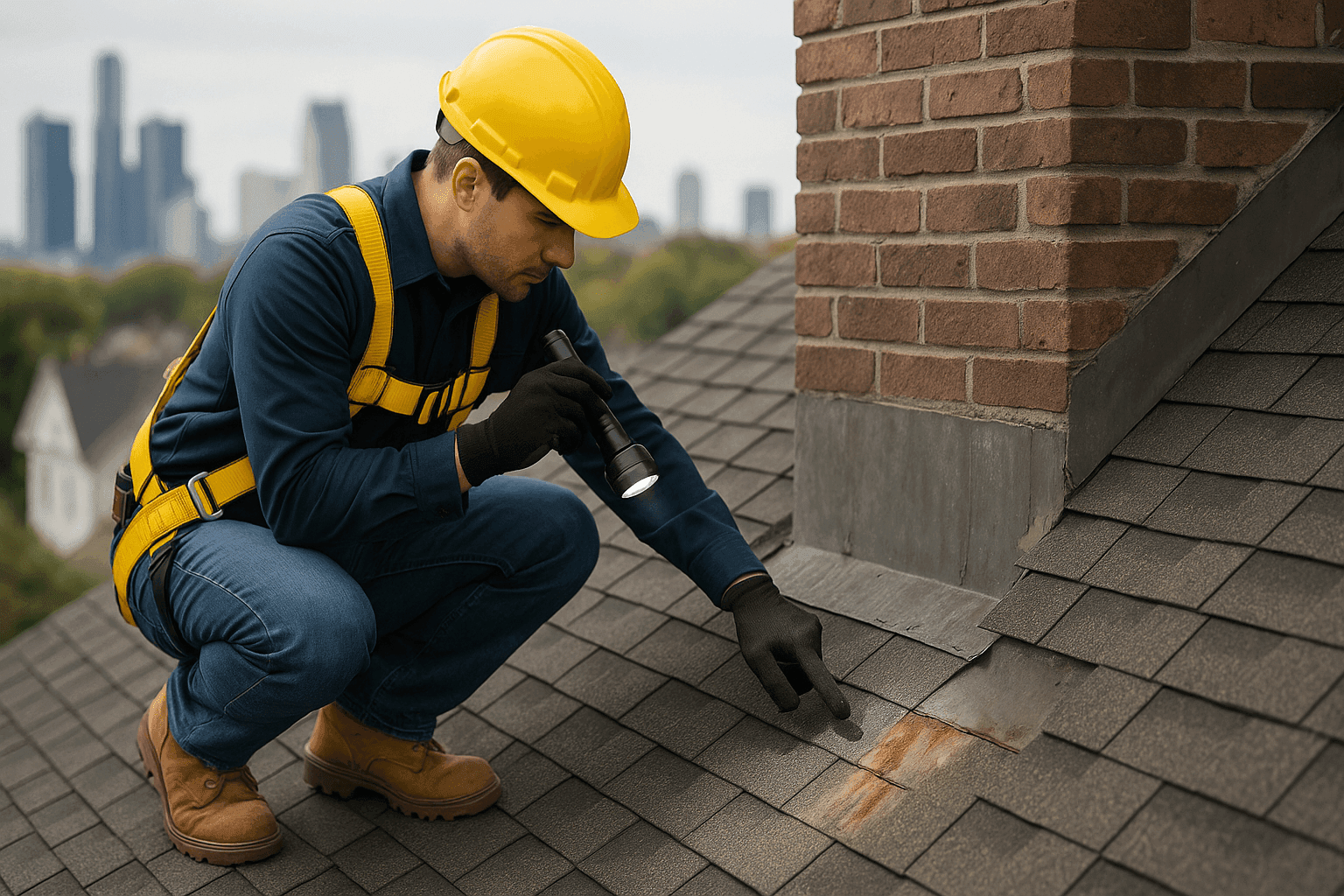
A drip. A stain. The unwelcome surprise of water where it shouldn't be. Roof leaks don't wait for a convenient moment. They strike fast, leaving you scrambling for towels, buckets, and answers.
At Milano Roma Roofing, we know that feeling—the worry, the rush, the urgent need to protect your home or business. Whether you’re a seasoned property owner or facing your first leak, this guide walks you through what to look for, what to do, and when to reach out for professional roofing help.
Common Signs of Roof Leaks
Not every leak announces itself with a waterfall. Sometimes, the clues are subtle:
- Brown or yellow ceiling stains
- Peeling paint or bubbling plaster
- Damp spots along walls or in the attic
- Moldy smells, especially after storms
- Dripping sounds during rain 🌧️
- Warped or swollen wood near the ceiling
Water finds the weakest spot. It travels, sometimes far from the entry point. Flashing around chimneys, cracked shingles, loose gutters, or missing tiles often play the culprit. Even a tiny gap lets in trouble.
Immediate Steps to Limit Damage
The clock starts ticking the moment you spot a leak. Quick action minimizes repair costs and protects your belongings.
- Move valuables – Shift electronics, furniture, or artwork out of harm’s way.
- Contain water – Use buckets, towels, or bins to collect drips.
- Relieve ceiling bulges – If a ceiling bulge appears, carefully poke a small hole to drain trapped water. (Place a bucket underneath first.)
- Shut off electricity – If water nears outlets or light fixtures, turn off power at the breaker.
- Ventilate – Open windows and run fans to dry the area and prevent mold.
Remember: Safety first. Never climb onto a wet roof—slippery surfaces are a recipe for injuries.
Quick Safety Checklist
Before you tackle any roofing issue, run through this quick safety list:
- Wear rubber-soled shoes with good grip
- Use a sturdy ladder on flat, dry ground
- Avoid power tools near water sources
- Never work on the roof in rain, snow, or high winds ⚠️
- If you spot structural sagging, call for help immediately
Don’t gamble with your safety. The right gear and a cautious approach go a long way.
Temporary Leak Repair Methods
Sometimes, you just need to buy time until professional help arrives. Here’s what you can do:
For Attic Leaks
- Place a tarp or heavy-duty plastic sheet over the leak area (secure with weights).
- Use waterproof tape or roofing cement to patch small holes from inside.
For Missing Shingles
- Cover the area with a plastic tarp, tucking edges under existing shingles.
- Use roofing nails or boards to keep the tarp in place.
For Flashing or Chimney Leaks
- Apply roofing sealant to visible gaps in flashing.
- Use aluminum tape as a short-term patch.
These are temporary solutions—think of them as umbrellas, not raincoats. They’ll hold off the storm but won’t last forever.
DIY vs. Call a Pro
It’s tempting to handle a leak yourself. But roofing isn’t just about slapping on a patch.
DIY is okay if:
- The leak is small and easy to reach
- You have basic tools and feel comfortable on a ladder
- The roof isn’t steep or dangerously high
Call Milano Roma Roofing if:
- There’s widespread or recurring water damage
- The source is hard to find
- You see structural sagging, mold, or electrical hazards
- The surface is slippery or weather conditions are risky
- You’re unsure about materials or safety
Remember, your roof protects everything beneath it. A patch gone wrong can mean bigger bills later.
What Pros Do On Arrival
When you call roofing professionals, you get more than a quick fix.
- Thorough inspection: Inside and out, including attic, decking, and all flashings.
- Moisture mapping: Identifying hidden water using moisture meters.
- Material match: Using compatible shingles, tiles, or sealants for lasting repairs.
- Structural checks: Ensuring rafters, decking, and insulation are intact.
- Code compliance: Repairs aligned with local building codes and manufacturer guidelines.
We don’t just stop the drip. We find the why—and fix it for good.
Prevention & Maintenance
A little attention goes a long way. Here’s how to keep leaks at bay:
- Schedule annual inspections—especially after major storms.
- Clean gutters every spring and fall.
- Check attic for stains or moisture after heavy rains.
- Trim trees to prevent falling branches.
- Replace cracked or missing shingles promptly.
- Keep flashing and sealants in good shape.
- Ensure proper attic ventilation and insulation to avoid ice dams in winter.
The National Roofing Contractors Association (NRCA) recommends routine maintenance as your best defense—and we agree.
Costs & Time Factors
Roof leak repairs come in all sizes. Costs depend on:
- Extent of damage: A small patch costs less than replacing decking or insulation.
- Materials needed: Tile, metal, and flat roofs each have unique solutions.
- Access: Steep or multi-story roofs require more time and equipment.
- Season: Emergency repairs during storms or freezing weather may take longer.
Minor leaks can sometimes be fixed in a few hours. More involved repairs—or hidden damage—might take a day or more. Prevention is always cheaper than restoration.
When It’s an Emergency
Some leaks just can’t wait. If you notice:
- Water pouring through multiple spots
- Ceilings sagging or bulging dangerously
- Electrical hazards (sparking, buzzing, flickering lights)
- Signs of structural collapse
Get everyone to safety. Shut off electricity. Call Milano Roma Roofing’s emergency services right away. Your safety comes first.
Frequently Asked Questions
Q: How do I find the source of a roof leak?
A: Start in the attic during daylight. Look for sunlight, stains, or active drips. Trace water trails uphill to their entry point. Remember, water can travel along rafters or insulation before emerging.
Q: Can I repair a leak myself?
A: Small, accessible leaks may be patched with sealant or a tarp. For anything involving steep heights, major damage, or uncertainty about materials, it’s best to get professional help.
Q: How soon should a roof leak be fixed?
A: Immediately. Even a slow drip can lead to mold, ruined drywall, and structural problems if ignored.
Q: Will my insurance cover roof leak repairs?
A: It depends on your policy and the cause of the leak. Damage from sudden events (like storms) may be covered, while gradual wear is often excluded. Check your policy and document the damage with photos.
Local and Seasonal Considerations
Every region brings its own roofing challenges. In storm-prone areas, wind and hail can dislodge shingles or flashing, while humid climates encourage mold growth. Winter brings ice dams, especially on poorly insulated roofs.
After major weather events, schedule a professional inspection—even if you don’t see obvious leaks. Hidden damage can grow quietly, only to reveal itself when it’s too late.
Year-round, regular inspections and prompt repairs keep your home or business safe, dry, and protected.
A roof leak is more than a nuisance—it’s a race against time. Whether it’s a stubborn drip or a sudden deluge, Milano Roma Roofing is ready to help with prompt, professional Storm Damage Restoration near you. Protect what matters most.
Call Milano Roma Roofing now — or reach us anytime at 877-748-7430 .