Roof Replacement Cost: What Affects Your Price Tag?
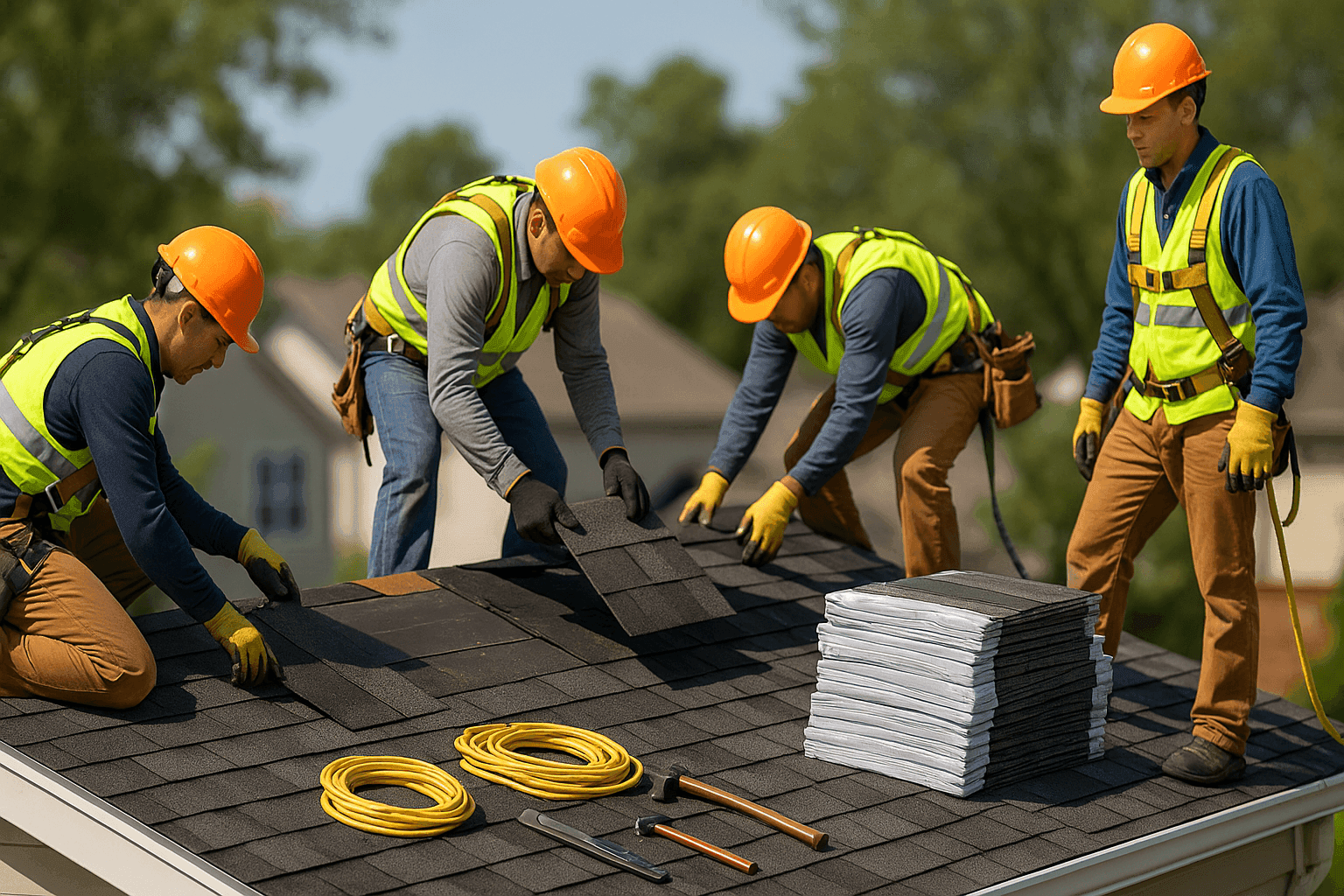
Replacing a roof isn’t something folks daydream about. But when leaks drip down your living room wall or a storm rips shingles clean off, urgency hits fast. Milano Roma Roofing has helped hundreds of families and businesses tackle this big decision—and the bill that comes with it.
We know the thought of replacing your roof can feel like staring at a mountain. Where do you even start? What’s a fair price, and why do estimates vary so much? Let’s walk through what actually affects the final number, so you can plan with confidence and ask the right questions.
Material Choices and Their Impact 🧱
Think of roofing materials like shoes for your house. Some are sturdy work boots, some are stylish sneakers, and others are high-performance hiking gear. Each comes with its own price tag and perks.
Common Roofing Materials
- Asphalt Shingles: Popular and affordable. They’re like the all-weather tires of roofing. Good for most homes, but don’t always last as long as pricier options.
- Metal Roofing: Costs more upfront, but can last 40–70 years. Stands up well to storms and is often favored for eco-friendly roofing options.
- Tile Roofing: Beautiful, durable, and heavy—think of classic Mediterranean villas. Tiles can be clay, concrete, or slate, each changing the cost.
- Flat Roof Systems: Commercial buildings often use membranes (TPO, EPDM, or modified bitumen) that handle standing water. Installation is specialized.
- Wood Shakes: Offer charm and natural insulation, but require more upkeep and may not suit every climate.
- Eco-Friendly Options: Solar shingles or “cool roofs” reflect heat and can lower energy bills, but they bring higher installation costs.
How Material Impacts Price
- Initial Cost vs. Longevity: Cheaper materials may need replacing sooner, adding up over decades.
- Energy Efficiency: Some roofs improve insulation, saving on utilities but raising installation costs.
- Availability: Local supply and shipping fees can nudge prices up or down.
- Building Codes: Some areas require certain materials for fire or weather safety.
Tip: Always ask your contractor about the pros and cons of each material for your region and structure. The best fit balances budget, weather-resistance, and style.
Labor and Installation Factors 👷
Labor costs are the engine room of any roof replacement. And just like a classic car, some jobs are simple tune-ups—others, full rebuilds.
What Drives Labor Costs?
- Skill Level: Complex roofs need experienced crews, especially for tile, metal, or commercial flat roofs.
- Removal of Old Roofing: Tearing off old layers takes time and care. If your roof has multiple layers (common on older homes), expect extra labor.
- Prep Work: Rotten decking, damaged insulation, or structural repairs add hours and materials.
- Weather Delays: Rain, snow, or extreme heat can slow work and sometimes require special safety measures, especially in storm damage restoration jobs.
- Working Conditions: Steep or high roofs need more safety gear. Downtown commercial jobs may need cranes or sidewalk closures.
Residential vs. Commercial
- Residential Jobs are often less complex, with smaller crews and faster timelines.
- Commercial Roofs can be massive, requiring lifts, larger teams, and strict safety protocols (see OSHA guidelines for construction safety).
Milano Roma Roofing trains its teams to handle both. Safety, quality, and efficiency matter—not shortcuts.
Roof Size and Complexity 📏
Roofing isn’t just about square footage. Shape, pitch, and tricky features can make two “same-sized” roofs worlds apart in price.
What Makes a Roof “Complicated”?
- Multi-Level Rooflines: Valleys, dormers, and turrets all mean more measuring, cutting, and time.
- Steep Slopes: More dangerous and harder to work on, requiring special equipment.
- Obstacles: Skylights, chimneys, solar panels, and HVAC units need careful flashing and sealing.
- Access: Tight spaces or landscaping barriers make moving materials slower and harder.
Flat vs. Pitched Roofs
- Flat Roofs: Usually found on commercial buildings. They demand specialized materials to prevent ponding water and leaks.
- Pitched Roofs: Shed water better, but installation is riskier and more labor-intensive as pitch increases.
Pro tip: Always have your contractor measure and inspect in person. Phone or “over the fence” quotes can miss costly details.
Hidden Costs to Watch For 🚩
It’s easy to focus on shingles and nails. But hidden costs can sneak up like a summer thunderstorm. Here’s what to ask about before you sign:
- Decking Repairs: If your roof deck (the wooden layer under your shingles) is rotting or damaged, it must be fixed. This isn’t always visible until the old roof comes off.
- Permit Fees: Most municipalities require building permits, especially for commercial roofing or major residential jobs.
- Disposal: Hauling away old roofing, especially heavy materials like tile, isn’t free.
- Upgrades: Better ventilation, new insulation, or adding skylights bump up the cost—but can pay off in comfort and energy savings.
- Unexpected Water Damage: Leaks may have caused mold or structural issues below the surface.
Always ask for a detailed, written estimate. Transparency is key. If something sounds vague, get clarification before work starts.
Comparing Residential and Commercial Roofing
Your home and your business have different needs. Here’s what to keep in mind:
- Residential Roofing: Usually faster, with materials like shingles, metal, or tile. Homeowners often prioritize curb appeal and energy efficiency.
- Commercial Roofing: Flat roofs, large surface areas, and more regulations. Materials must handle foot traffic, equipment, and weather extremes.
If you own both, expect different procedures, timelines, and price ranges for each property.
Optional Upgrades: Insulation, Skylights, and More
Want to do more than just replace what’s there? Optional upgrades can add comfort, save energy, and even extend your roof’s life.
Popular Upgrades
- Insulation and Ventilation: Keeps attics cooler in summer and warmer in winter. Improves roof lifespan and lowers utility bills.
- Skylight Installation or Repair: Adds natural light, but needs expert flashing to prevent leaks.
- Gutter & Downspout Installation: Protects foundations and landscaping from water damage.
- Sealants and Coatings: Extra defense for flat or metal roofs.
- Eco-Friendly Roofing Options: Solar panels or reflective materials for energy savings.
Upgrades add to upfront costs, but can pay off down the road. Ask about energy codes or local rebates for insulation or solar improvements.
Smart Budgeting: What Should You Expect?
So, what’s the bottom line? There’s no single “right” number. But you can get close by considering:
- Material cost per square foot
- Labor rates in your area
- Size and complexity
- Permits and disposal
- Hidden repairs or upgrades
Most homeowners and building managers find that investing in quality materials and experienced installers saves money in the long run. Cheap shortcuts often lead to leaks, repairs, and headaches.
Questions to Ask Your Roofing Contractor
Before you sign anything, arm yourself with good questions:
- What’s included in this estimate?
- How do you handle hidden repairs (like decking or insulation)?
- Are permits and disposal fees included?
- What materials do you recommend for my building and climate?
- How long will this job take, and what happens if weather delays the project?
- Can I see your proof of insurance and safety training?
If your contractor can’t answer clearly, keep looking.
Final Thoughts: The Value of Quality Workmanship
At the end of the day, a roof is more than just a covering. It’s protection for your family, your employees, your investment. Choose a roofer who values clear communication, quality work, and transparency over empty promises.
Replacing a roof is a big decision. But with the right information and a trustworthy partner, you’ll get a result that lasts for decades.
Call Milano Roma Roofing now — or reach us anytime at 877-748-7430 .