Roof Flashing Repair: Stop Leaks Before They Start
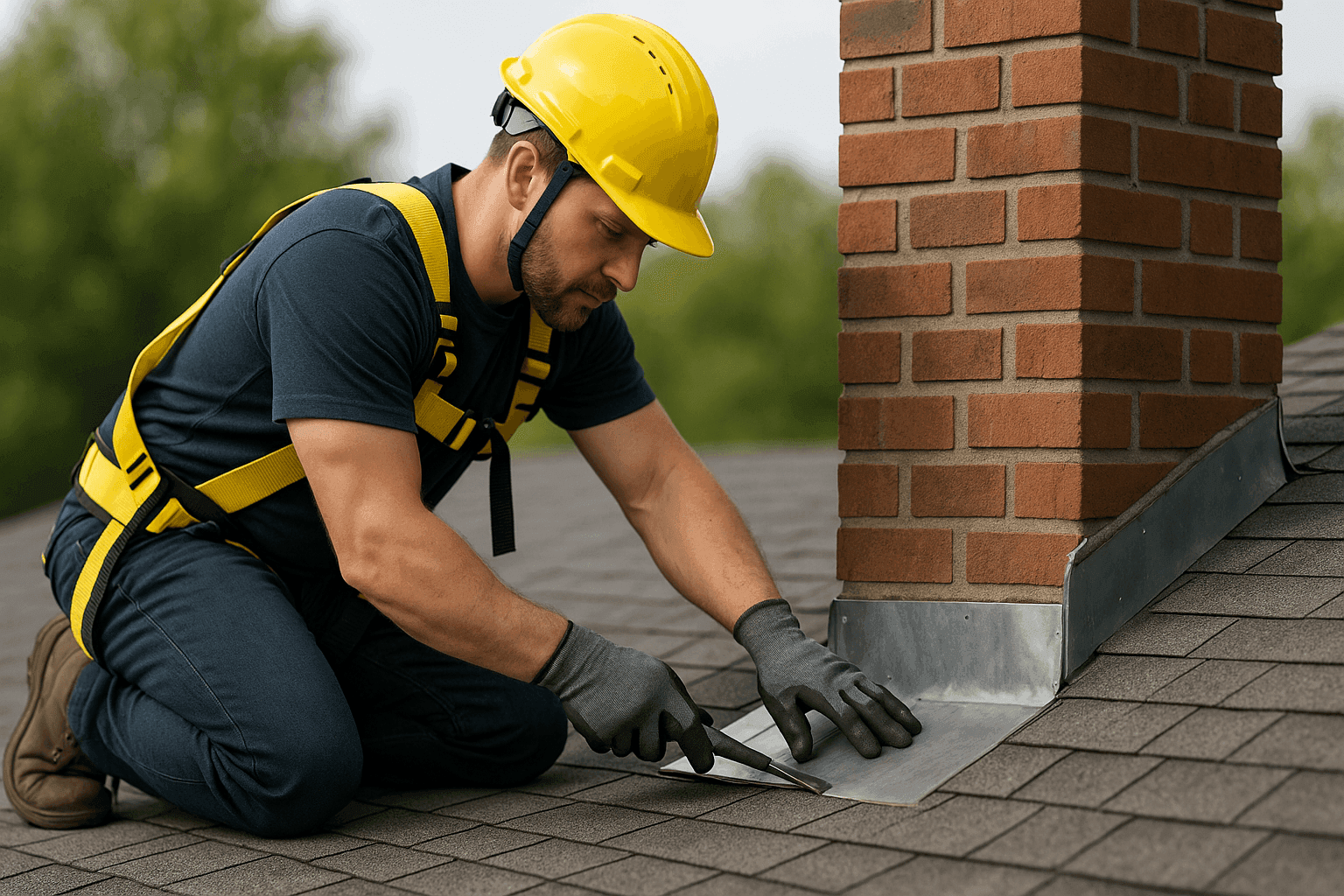
Rain sneaks through gaps faster than you think. One steady drizzle, and the smallest crack in your roof’s flashing can unleash a waterfall inside. If you’ve ever watched water zigzag down a living room wall or seen brown stains bloom on your ceiling tiles, you know the damage isn’t just ugly—it's expensive.
At Milano Roma Roofing, we’ve seen leaks that started as a pinhole and turned into a flood. The good news? Catching flashing problems early means less mess, less cost, and far fewer headaches.
What Is Roof Flashing? 🏠
Think of roof flashing as your roof’s raincoat. It’s the thin metal (usually aluminum or galvanized steel) that covers joints and vulnerable spots—like around chimneys, skylights, valleys, and vent pipes. Its job? To steer water away from seams and edges where leaks love to sneak in.
Without flashing, water would slip right through the cracks, soaking into your attic, insulation, and walls. Even the best shingles or tiles need flashing to stay watertight—especially after storms or heavy winds.
Common Causes of Flashing Failure
Flashing isn’t invincible. Over time, it faces a barrage of wind, rain, sun, and shifting temperatures. Here’s what can sabotage it:
- Age and Weather: Metal expands and contracts. Seams pop, caulk dries out, and rust eats away.
- Poor Installation: If flashing isn’t tucked under shingles or sealed right, water finds a way in.
- Storm Damage: High winds can lift or bend flashing, especially on exposed corners and roof valleys.
- Debris Buildup: Leaves and dirt trap moisture. That means faster rust and rot.
- Animal Intrusion: Birds and squirrels sometimes nest near or under loose flashing.
The weakest spots? Chimneys, skylights, roof valleys, dormers, and any place two surfaces meet.
Signs Your Flashing Needs Attention
How do you know it’s time to check your flashing? Look for:
- Water stains on ceilings or walls (especially near fireplaces or skylights).
- Drips or puddles after heavy rain.
- Rust streaks on flashing or down your siding.
- Loose, bent, or missing metal pieces.
- Mold or musty smells in your attic.
A flashlight and a pair of binoculars can help you spot trouble before it gets serious.
Quick Safety Checklist Before You Start
Roof work demands respect. Falls and slips are real dangers. Before you even grab a hammer:
- Check the weather—dry, calm days only.
- Use a sturdy extension ladder—never climb alone.
- Wear shoes with solid grip.
- Use gloves and eye protection.
- Avoid walking on steep or wet roofs.
- Keep tools and materials handy, but not in the way.
- If you feel unsafe, call a professional.
The National Roofing Contractors Association (NRCA) and OSHA both recommend never working on a roof when it’s wet, icy, or windy.
DIY Flashing Repair Steps
Ready to tackle a small repair? Sometimes a simple fix is all you need. Here’s how to patch up minor flashing issues around chimneys, skylights, or valleys:
1. Inspect & Clean
- Remove leaves, branches, and debris.
- Scrub dirt, moss, or old sealant from the flashing using a wire brush.
- Check for rust, holes, or lifted edges.
2. Reseal Loose Edges
- Apply roofing cement or a high-quality polyurethane sealant under lifted flashing edges.
- Press the metal firmly back into place.
- Smooth the sealant along the seam with a putty knife.
3. Patch Small Holes
- For holes smaller than a dime, use roofing cement and a small piece of metal patch.
- Spread cement over the hole, press the patch down, and cover with more cement.
4. Secure Loose Nails
- Replace popped nails with roofing screws for a tighter hold.
- Seal the heads with a dab of roofing cement.
Important: If the flashing is badly rusted, torn, or missing, don’t attempt a major repair yourself. Water can travel in hidden paths, and improper fixes may make things worse.
When to Call a Pro
Some jobs are bigger than a bucket of sealant. Call Milano Roma Roofing if:
- Multiple leaks appear in different spots.
- Flashing is bent, missing, or corroded through.
- You see damage around skylights, valleys, or chimney bases.
- Shingles or tiles nearby are cracked or missing.
- The roof is steep, high, or difficult to access.
Professional roofers have the right tools, safety gear, and experience. Storm Damage Restoration near you isn’t just about plugging holes—it’s about preventing the next leak, too.
What Pros Do On Arrival
When Milano Roma Roofing shows up, here’s what to expect:
- Thorough Inspection: We check every inch of flashing—chimneys, skylights, valleys, vents, and more.
- Moisture Detection: Using moisture meters and infrared tools, we find hidden water.
- Precision Repair: Damaged flashing is either resealed, patched, or replaced with new metal—never just covered up.
- Proper Integration: New flashing is tucked and layered under shingles or tiles, following manufacturer specs and local building codes.
- Seal & Test: All seams are sealed, and repairs are water-tested to confirm the fix.
We follow guidelines from the International Residential Code (IRC) and industry best practices for every repair.
Preventing Flashing Leaks: Routine Maintenance Tips 🔎
An ounce of prevention can keep a gallon of water out. Here’s how to stay ahead:
- Inspect flashing every spring and fall. Watch for rust, cracks, or loose edges.
- Clean gutters and valleys. Blocked water finds new paths—right under flashing.
- Trim trees. Overhanging branches drop debris and can damage metal flashing.
- Check after storms. High winds and hail can loosen flashing even if your shingles look fine.
- Re-caulk joints as needed, especially on older roofs.
Routine inspections—especially after bad weather—are your best defense.
Costs & Time Factors
Flashing repair costs vary. Simple resealing might take an hour and cost little in materials. Full replacements around chimneys or valleys take longer and require specialized skills. Factors that affect cost and time:
- Roof pitch and height
- Amount of damaged flashing
- Accessibility (chimneys, skylights, valleys)
- Whether shingles or tiles need to be removed and replaced
Remember, quick fixes can buy time, but complete repairs last longer and prevent bigger expenses down the road.
When It’s an Emergency
Sometimes, you can’t wait. If water is pouring in, grab a tarp and call for emergency roofing services. Act fast if:
- There’s active dripping inside your home or business.
- You see daylight through the roof near flashing.
- Structural wood is visibly wet or sagging.
Milano Roma Roofing offers emergency services for leaks, storm damage, and structural repair. Don’t let a small drip become a disaster.
Frequently Asked Questions
How often should I inspect my roof flashing?
Twice a year—usually in spring and fall. Always check after major storms or hail events.
Can I use caulk instead of roofing cement?
Roofing cement lasts longer and is designed for outdoor, high-moisture conditions. Caulk can crack and shrink faster.
Does insurance cover flashing repairs?
If flashing was damaged by a covered event (like a storm), it may be included. Always check with your provider and document any damage with photos.
Are there eco-friendly flashing options?
Yes. Milano Roma Roofing offers eco-friendly roofing materials, including recyclable metal flashing and low-VOC sealants.
Local and Seasonal Considerations
In regions with heavy rain, snow, or wind, flashing takes a beating. Summer sun can warp metal, while winter ice pries it loose. If your area is prone to storms, schedule inspections more often—especially if you’ve had roof repairs within the last few years.
Remember: local building codes and climate guides (such as those from the National Roofing Contractors Association) set the standard for what’s safe and effective in your area.
Leaks don’t wait. Neither should you. For reliable roof flashing repair, storm damage restoration, or a thorough inspection, Milano Roma Roofing is here to help—whether it’s your business or your home.
Call Milano Roma Roofing now — or reach us anytime at 877-748-7430 .